
What Does Ammonia Smell Like? A Simple Guide to Identifying It
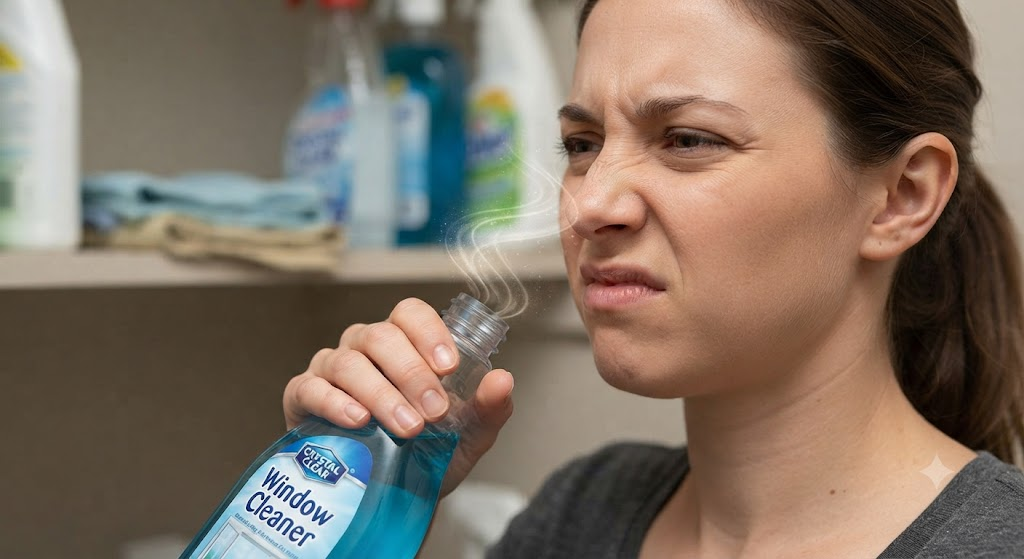
Have you ever walked into a room and smelled something so sharp it made your nose tingle? You might be wondering, What Does Ammonia Smell Like exactly? Ammonia has a very distinct, biting odor that is hard to forget once you experience it. Most people describe it as smelling like harsh window cleaner or strong household bleach. It has a pungent, stinging quality that can feel quite irritating to your nose and eyes. If you have ever opened a bottle of glass cleaner and felt that sudden “kick” in your nostrils, you have likely smelled ammonia. It is not a subtle scent at all. It is very aggressive, piercing, and sharp, often alerting you immediately that it is present in the air.
Why Does Ammonia Smell So Strong?
The reason what do ammonia smell like is so intense comes down to chemistry. Ammonia is a gas that reacts quickly with the moisture inside your nose and eyes. When you breathe it in, it turns into a mild alkaline solution upon contact with your wet nasal passages. This reaction creates that immediate, stinging sensation that warns your brain to move away. Because it is so irritating, your body naturally wants to pull back from the source. This is a built-in safety mechanism. Evolution designed our noses to detect these types of gases so we can avoid breathing in things that might hurt our lungs or respiratory system.
Ammonia in Common Household Items
You encounter ammonia more often than you might think in your daily life. Many people ask what do ammonia smell like while they are cleaning their homes. It is a main ingredient in many glass cleaners, floor strippers, and some furniture polishes. When you use these products, the ammonia smell is usually very noticeable. It helps break down grease and dirt effectively. However, because the smell is so strong, manufacturers often add scents like lemon or lavender to cover it up. Even with those extra smells, the sharp, biting edge of the ammonia usually still cuts through. Always ensure you use these products in rooms with good airflow.
The Smell of Ammonia in Nature
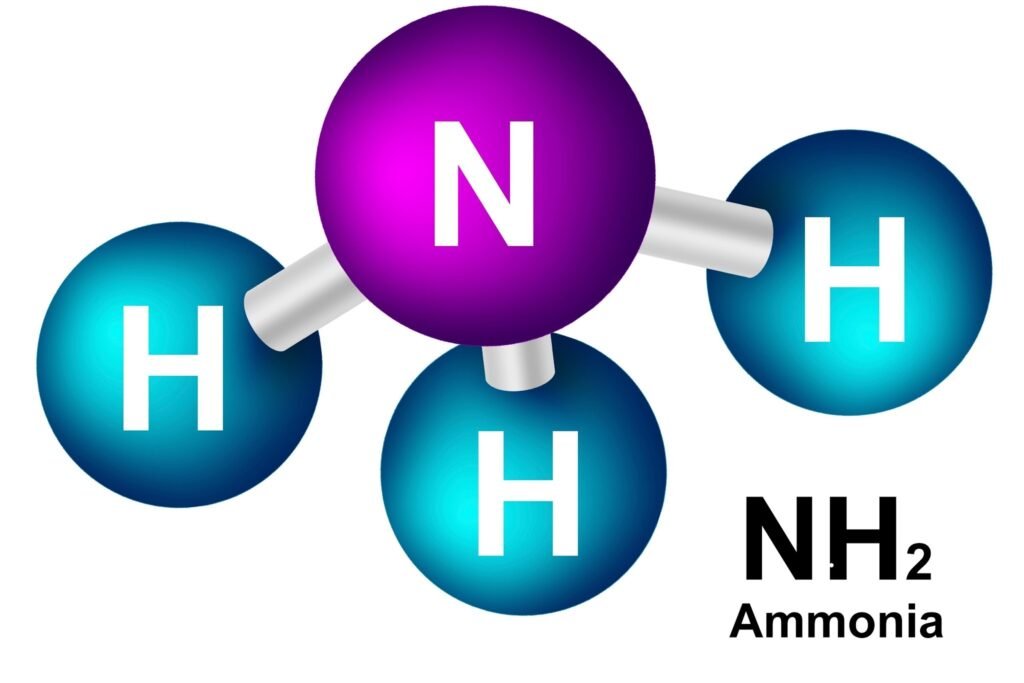
Nature also produces ammonia in surprising ways. If you have ever cleaned a pet’s litter box, you have definitely smelled it. The waste from cats contains nitrogen compounds that break down into ammonia over time. That is why a dirty litter box has such a strong, offensive odor. You might also notice this smell near large farms or compost piles where animal waste is breaking down. In these cases, the smell is often mixed with other organic odors. But even in a mix, that signature sharp “ammonia kick” is usually the part that bothers your nose the most. It is a clear sign that natural decomposition is happening nearby.
Ammonia Smell and Body Chemistry
Sometimes, people notice an ammonia-like smell on their own bodies, especially after a hard workout. You might wonder, what do ammonia smell like when it comes from sweat? During very intense exercise, your body may run out of its usual energy stores. When this happens, it starts to break down protein for fuel. This process releases a byproduct called ammonia. If you smell this on your clothes or skin after a tough gym session, it is usually a sign that your body is working extra hard. It is generally harmless, but it might be a hint to drink more water or adjust your workout intensity.
Is the Smell of Ammonia Dangerous?
Knowing what do ammonia smell like is very important for your safety. While a tiny whiff while cleaning is usually fine, breathing in high concentrations is definitely not safe. Because of its sharp smell, it is easy to detect at low levels, which is actually a good thing. It gives you an early warning to leave the area before it gets dangerous. If you smell ammonia and it makes you cough, gives you a headache, or burns your eyes, you must get to fresh air immediately. Do not try to investigate where the smell is coming from if it feels overwhelming. Your safety always comes first when dealing with strong chemical odors.
What to Do If You Smell Strong Ammonia
If you suddenly smell a very strong, unexplained scent of ammonia in your home, stay calm. First, open windows and doors to let fresh air flow through the space. If the smell is coming from a specific area, move away from it quickly. You should also try to identify if it is coming from a cleaning product you are currently using. If it is, stop using it and ventilate the room. If the smell persists and you cannot find a source like a cleaning product, it could be a sign of a gas leak or a plumbing issue. In that case, it is best to step outside and call a professional for help.
Comparing Ammonia to Other Smells
People often confuse ammonia with other sharp chemicals, like vinegar or bleach. However, once you know what do ammonia smell like, you will see it is quite unique. Vinegar has a sour, acidic smell, while bleach smells much more like a swimming pool. Ammonia, on the other hand, is distinctly “stinging” and “gaseous.” It lacks the sourness of vinegar and the chlorine bite of bleach. If you are ever unsure, remember that ammonia’s smell is most similar to strong glass cleaner. It is that “cleaning day” smell that hits the back of your throat. Once you recognize that specific sting, you will know exactly what you are smelling every time.
Why Some People Can’t Smell Ammonia
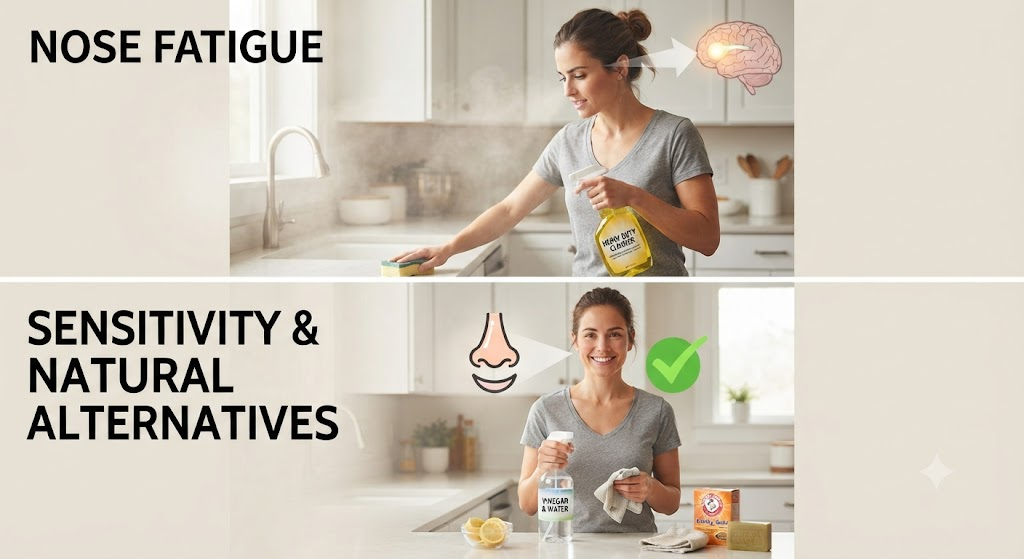
Interestingly, not everyone can smell ammonia the same way. Some people have a hard time detecting it until the concentration is very high. This is sometimes due to a natural variation in our sense of smell. However, the biggest reason is often “nose fatigue.” If you are cleaning for a long time, your nose gets used to the smell and stops sending signals to your brain. This is why you should always take breaks when using strong cleaners. If you think you might be sensitive to these smells, try to use natural alternatives like vinegar or mild soap whenever possible. It keeps your nose happy and your home clean.
Ammonia and Indoor Air Quality
Maintaining good air quality means being aware of what you are smelling. If your home has a constant, faint smell of ammonia, it could be a sign of poor ventilation. This can be common in older homes with hidden mold or trapped moisture. Since ammonia is a gas, it can build up in poorly ventilated areas. Keeping your home clean and dry is the best way to prevent unwanted smells. If the air in your home feels heavy or “sharp,” try to increase airflow. Using a fan or simply opening windows for a few minutes each day can make a big difference in how your home smells and feels.
Detailed Breakdown: Understanding Ammonia
| Aspect | Description |
| Primary Scent | Sharp, pungent, stinging, and biting. |
| Common Sources | Glass cleaners, pet waste, gym sweat, industrial cleaners. |
| Detection | Triggers pain receptors in the nose and eyes. |
| Safety Tip | Always use cleaners in well-ventilated rooms. |
| Comparison | More “stinging” than vinegar; less “chlorine-like” than bleach. |
| Bodily Source | Protein breakdown during intense physical exercise. |
Frequently Asked Questions
1. What does ammonia smell like to most people?
Most people describe the smell of ammonia as very sharp, pungent, and similar to strong glass or window cleaners.
2. Can the smell of ammonia be harmful?
Yes, high levels of ammonia can irritate your eyes, nose, and throat. Always move to fresh air if the smell is overwhelming.
3. Why do I smell ammonia after working out?
Your body may be breaking down protein for energy, which releases ammonia as a byproduct. Drink plenty of water and rest.
4. Is the smell of ammonia the same as bleach?
No. Bleach smells more like a swimming pool (chlorine), while ammonia has a more “stinging” and gas-like odor.
5. Should I be worried if I smell ammonia in my house?
Check for cleaning supplies first. If no cleaners are in use, it could be a plumbing or gas issue, so play it safe and ventilate.
6. How can I get rid of an ammonia smell?
Increase ventilation by opening windows and using fans. Ensure the source (like a litter box or spill) is cleaned and removed properly.
Conclusion
Now that you know what do ammonia smell like, you can better identify it in your daily life. Whether it is a cleaning bottle or just a sign that you pushed yourself hard at the gym, recognizing this sharp, stinging odor is a helpful skill. Remember, your nose is a great tool for staying safe! If you ever encounter a strong smell of ammonia that you cannot explain, do not hesitate to step outside and get fresh air. Have you ever been surprised by an ammonia smell in your home? Share your experience in the comments below, or pass this guide along to a friend who might find it helpful!