
Biological Sciences: A Fun Guide to Understanding Life
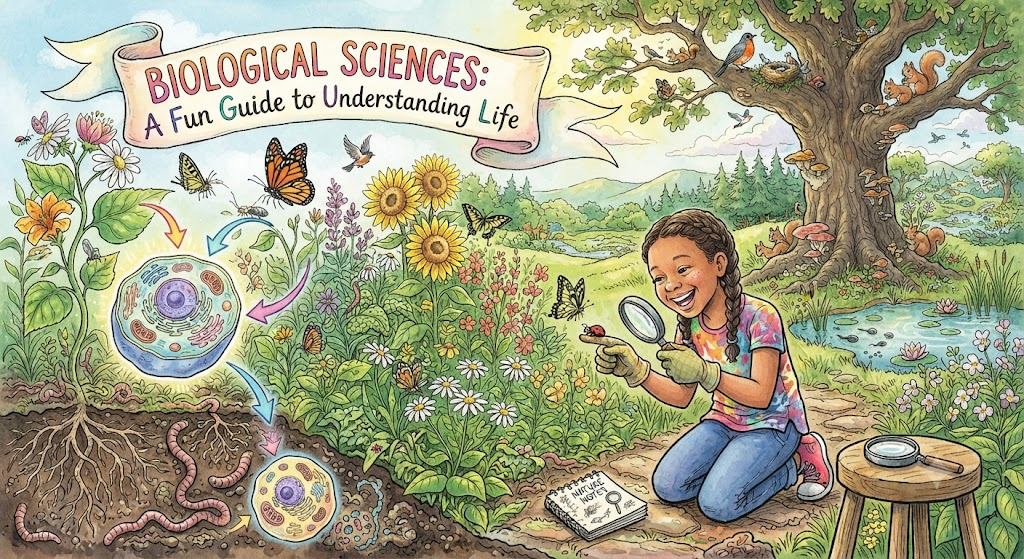
Have you ever wondered how your body works or why flowers grow? That is what Biological Sciences are all about. It is the amazing study of all living things on our planet. When we study biological sciences, we look at how plants, animals, and tiny germs live and grow. It helps us understand the secret life of trees, the way our hearts beat, and how we are all connected. I have always loved watching bugs in my garden. It is like a tiny, secret world. Learning about these things makes the world feel much bigger and more exciting. Let’s dive into this fun topic together and see what we can find.
What Are Biological Sciences?
At its heart, biological sciences is the study of life itself. Scientists who work in this field look at how living things function and survive. They explore everything from the smallest building block of a cell to huge forests. By using biological sciences, we can figure out why a plant needs sunlight or how a bird flies. It is a massive field that includes many different jobs and interests. Whether you look at a microscope or a telescope, biology is always there. It gives us the tools to understand the breath of life in every living thing.
The Smallest Units: Cells
Everything you see that is alive is made of tiny parts called cells. You can think of a cell as a very small, busy factory. In biological sciences, we learn that every plant and animal starts with just one cell. These tiny units work hard every day to keep us moving, eating, and breathing. I remember looking at an onion skin under a microscope in school once. Seeing those tiny, box-like shapes was amazing. It is hard to believe that such small things make up giant creatures like whales or even you and me.
The Science of DNA
Have you ever wondered why you look like your parents? This is due to a special code inside us called DNA. In biological sciences, researchers study this code to see how traits pass from parents to kids. It is like a secret recipe that tells your body how to build your eyes, hair, and even how tall you will grow. This part of biological sciences is very important for medicine. Doctors use this knowledge to help people stay healthy. It is like reading the manual that comes with a brand-new, complex toy.
Plants and How They Grow
Plants are incredible members of our world. Through biological sciences, we know that plants do not eat food like we do. Instead, they make their own energy using sunlight, water, and air. This process is called photosynthesis, and it is vital for all life on Earth. Without plants, we would not have the oxygen we need to breathe. I love spending time in my garden because it reminds me how smart nature is. Watching a seed turn into a giant sunflower is a perfect example of biology in action.
The Animal Kingdom
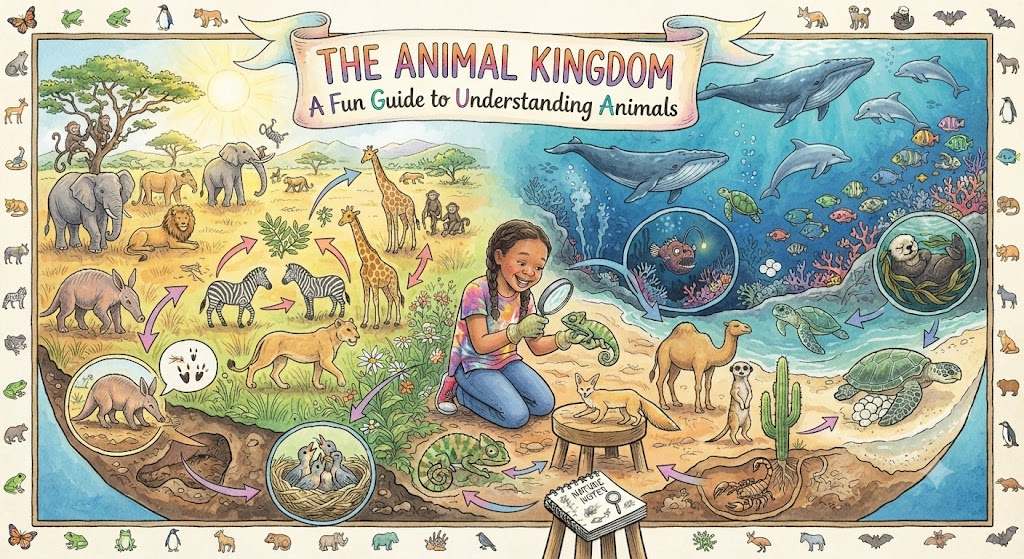
The animal kingdom is full of strange and wonderful creatures. Biological sciences help us understand how these animals live together in their homes. Some animals live in deep, cold oceans, while others live in hot deserts. By studying biological sciences, we can learn how animals hunt, sleep, and take care of their babies. It is fascinating to see how different species adapt to survive in tough places. Every animal plays a special part in nature. Protecting them is a big goal for scientists who care about our planet.
Understanding Human Health
We use biological sciences every day to keep our bodies working well. Doctors and nurses use this knowledge to treat illnesses and help us recover when we get sick. Knowing how our immune system fights off germs is a key part of biological sciences. I think it is comforting to know that so many people are working to make us feel better. Staying healthy means eating good food and keeping our bodies moving. Biology shows us that we are part of a very clever, natural design.
Ecosystems and Our Environment
An ecosystem is a community where plants and animals live together. In biological sciences, we study how these groups rely on each other. If one part of an ecosystem changes, it can affect everyone else. For example, if a forest loses its trees, birds might lose their homes. I try to be kind to nature because I know how fragile these systems can be. Biological sciences teaches us to respect the Earth. By taking care of our environment, we are helping all living things thrive.
The Role of Microorganisms
Not all living things are big enough to see with your eyes. Tiny organisms, like bacteria, are everywhere! While some can make us sick, many others are actually very helpful. Through biological sciences, we learn how these tiny friends help us digest food or clean up the environment. It is wild to think that we carry millions of tiny passengers with us everywhere we go. These small creatures are a huge part of the study of biological sciences and help keep our world running smoothly.
Biology in Our Daily Lives
You might not realize it, but you use biological sciences all the time. When you eat a piece of fruit, you are eating the result of plant biology. When you exercise, you are using muscle biology. Even when you sleep, your body is doing important biological work. I love how this science is not just for labs. It is in our kitchens, our parks, and our own homes. Understanding biological sciences makes life feel more meaningful and connected. It is a big part of being human.
Future Careers in Biology
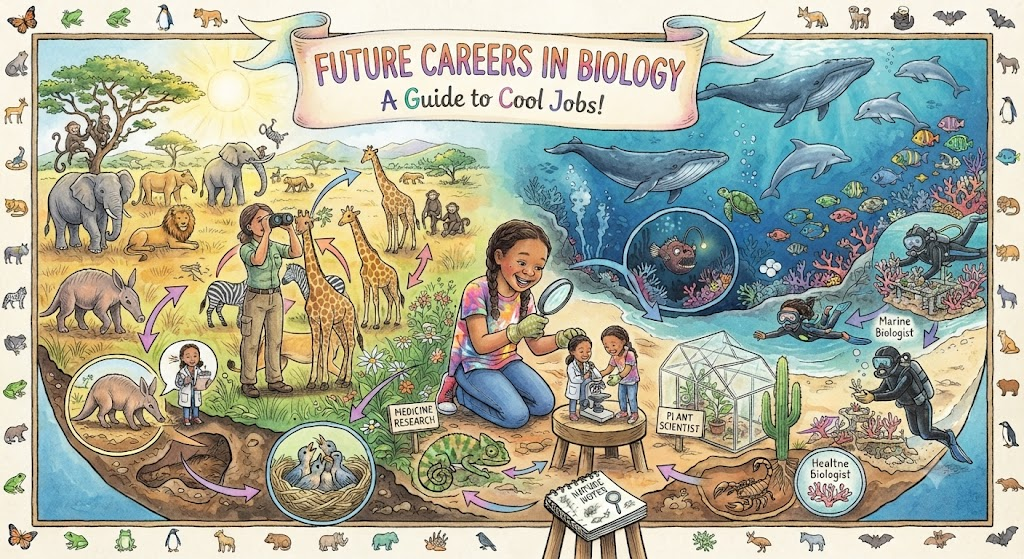
Are you interested in how life works? Maybe you should study biological sciences when you grow up! There are so many cool jobs in this field. You could become a zoologist, a doctor, or even a plant scientist. Some people use biological sciences to find new medicines or save endangered animals. It is a very rewarding path for anyone who is curious about the world. You do not have to know everything right now. Just keep asking questions and learning about the world around you.
Conclusion
We have explored how biological sciences covers everything from tiny cells to large forests. This field helps us understand ourselves and the beautiful planet we call home. I hope you feel more curious about the natural world after reading this. Nature is full of mysteries waiting for you to solve them. Why not go outside today and observe the life around you? Look at a leaf, watch a bug, or just enjoy the fresh air. If you enjoyed this guide, share it with a friend who loves nature. Let’s keep exploring the wonders of life together!
Frequently Asked Questions
1. What is the easiest way to start learning biological sciences?
The best way is to go outside and look at nature. Observe plants, insects, and animals in your own backyard or local park.
2. Is biological sciences hard to study?
It can be complex, but it is very fun! Start with simple topics like plants or animals, and you will find it easy to understand.
3. Why is biology important for kids?
It helps you understand how your own body works and why nature is so important for all of us to stay healthy.
4. Do scientists work only in labs?
No! Many scientists work outside in forests, oceans, or farms to see how living things behave in their natural homes.
5. Can I use biological sciences in everyday life?
Yes! Knowing about healthy food, how your body grows, and how to protect the environment are all ways you use biology daily.
6. Where can I find more cool facts about living things?
Check out your local library or science websites for kids. There are many fun books and videos about the amazing world of nature.